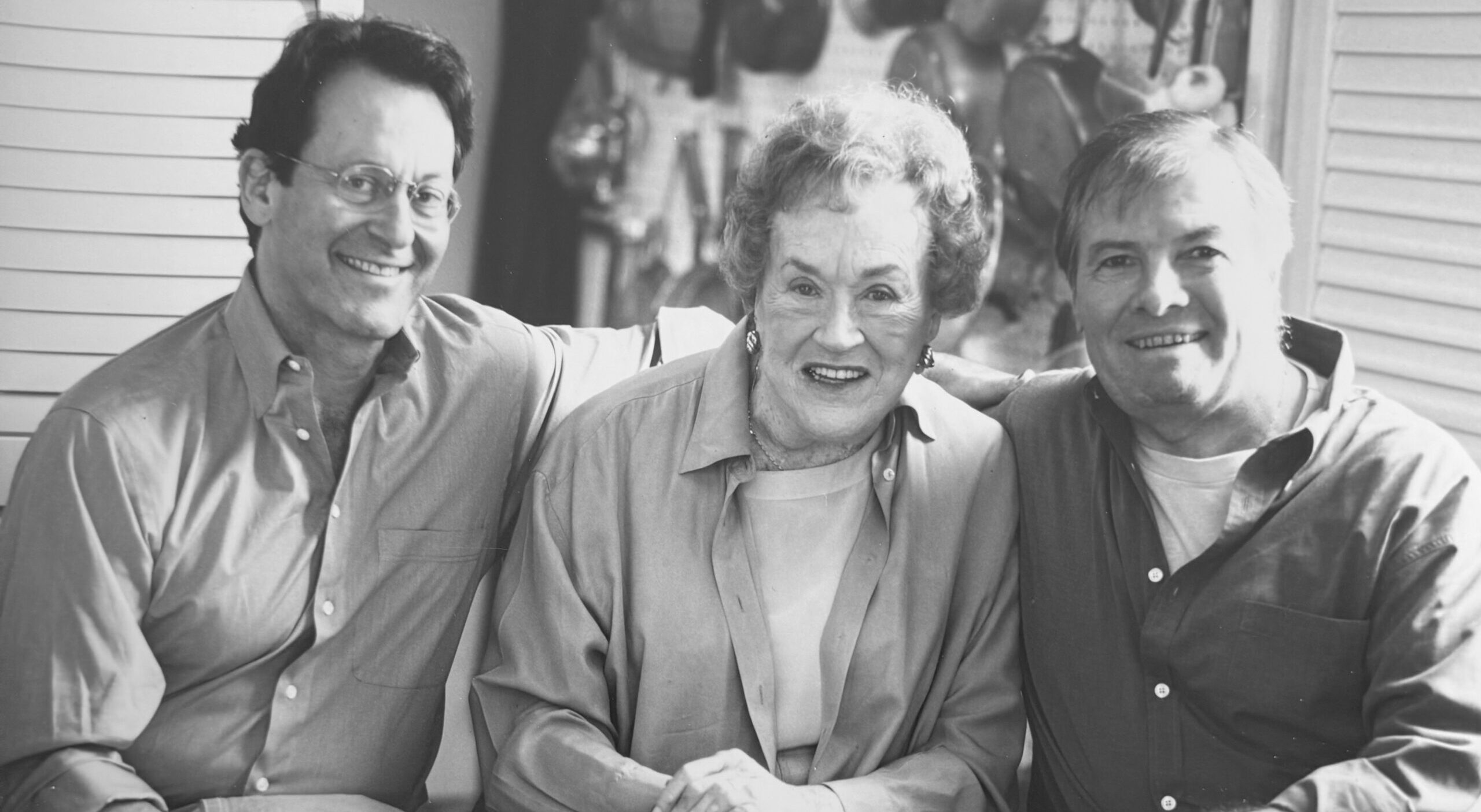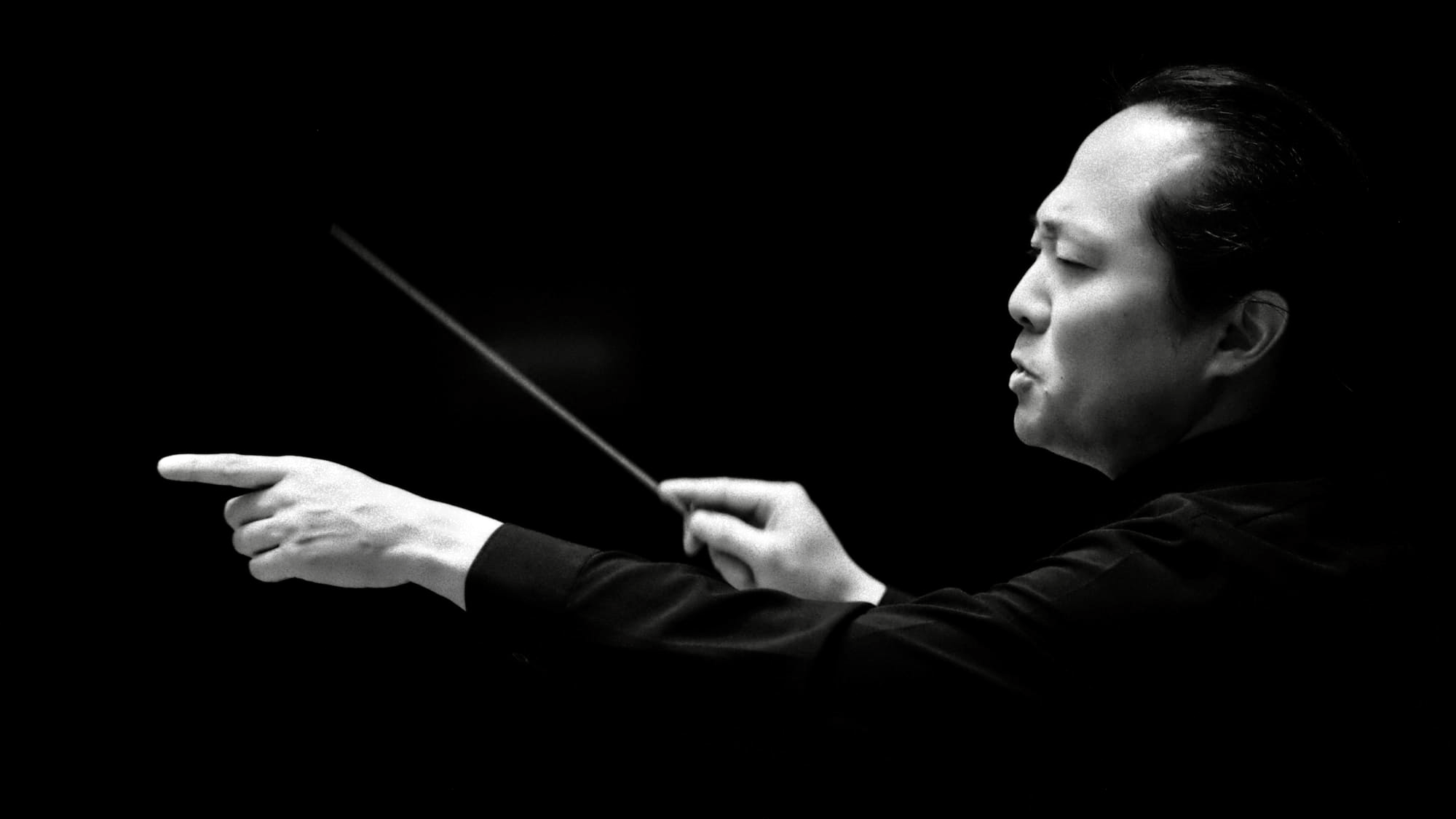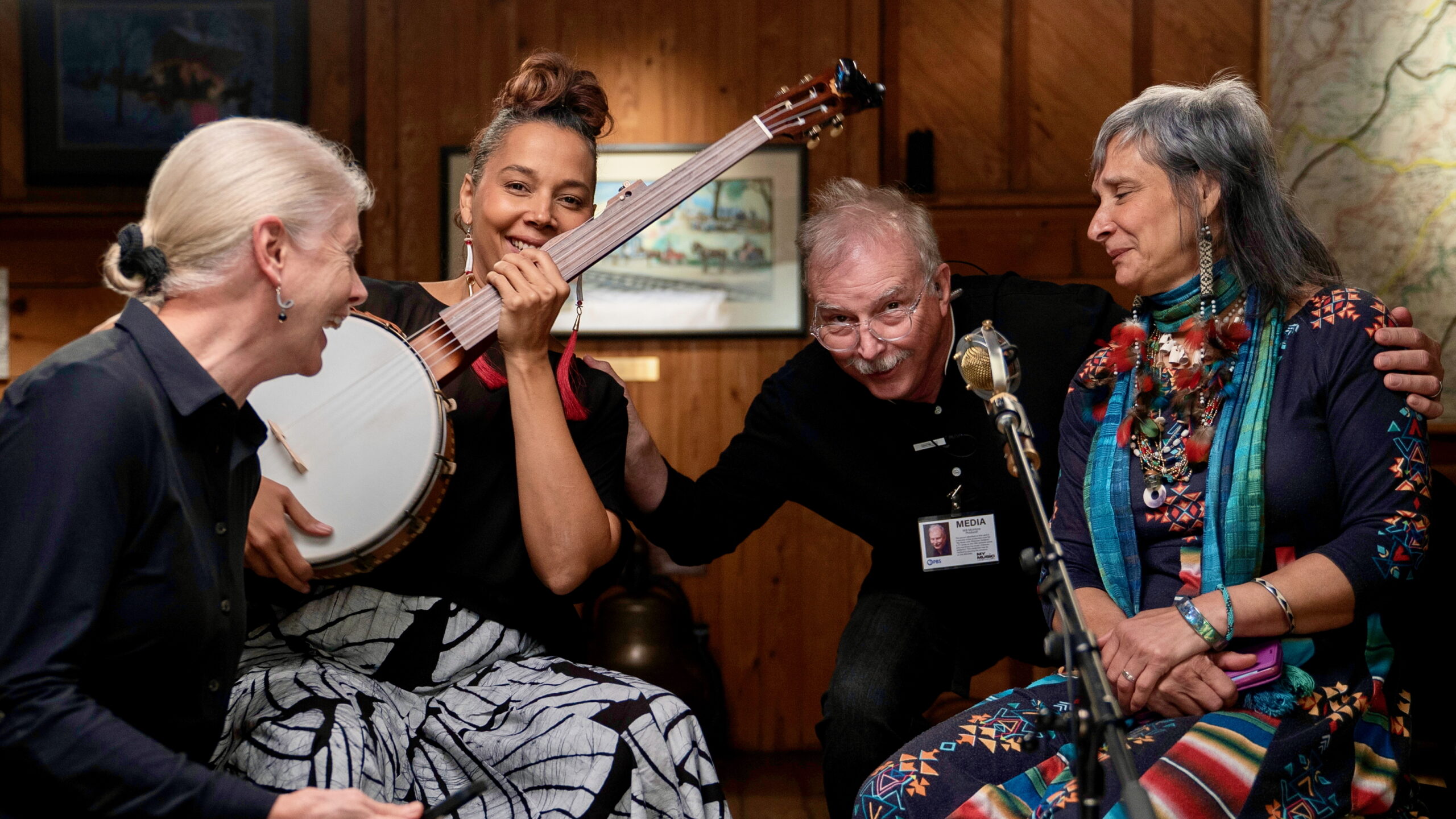

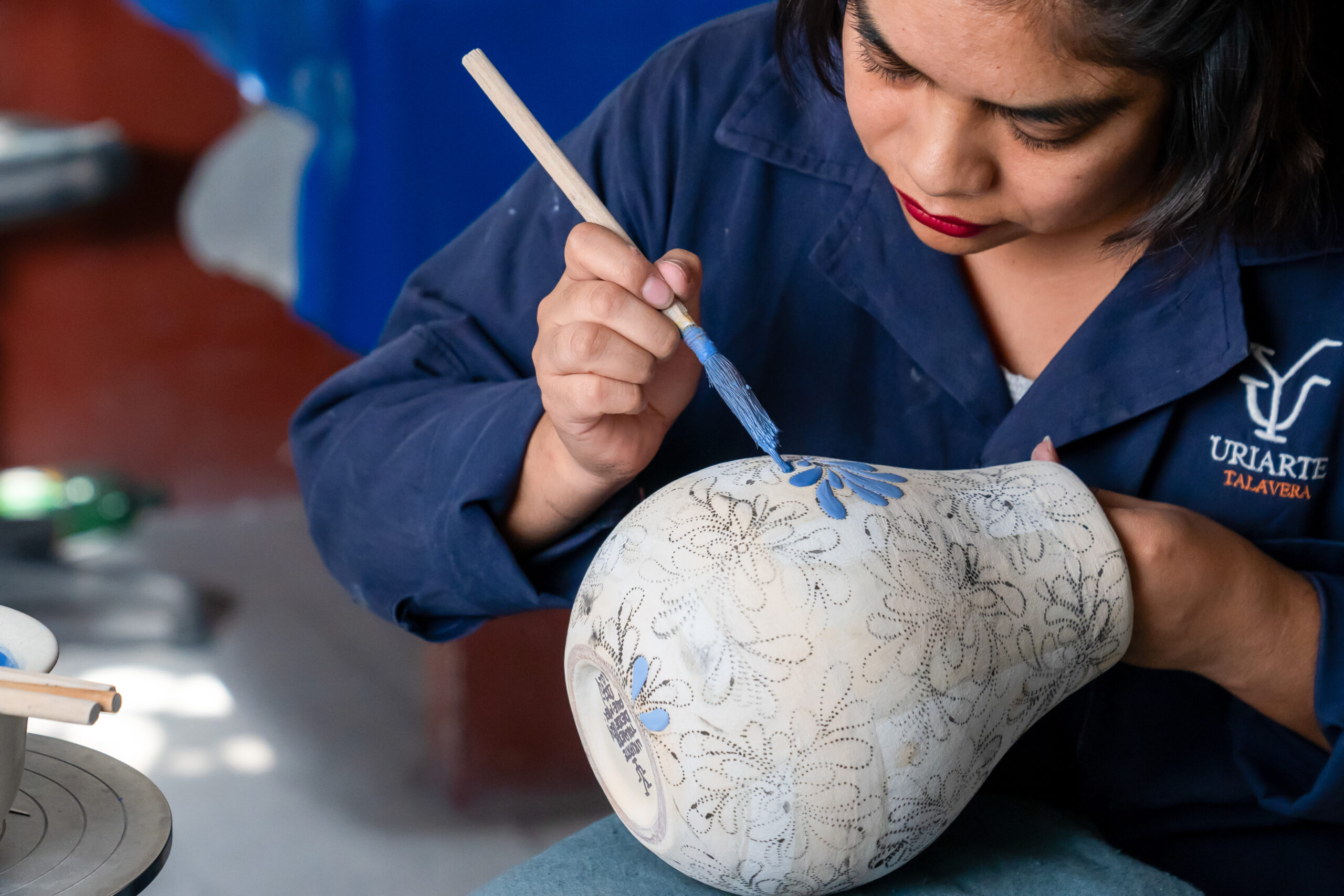
Amidst the clamor of peak television, a serene PBS series has found its audience, inviting viewers on a global journey from the comfort of their living rooms to the artisan workshops of England, France, Mexico, Italy, Ireland, and more. Made with Love is more than a travelogue; it’s a heartfelt homage to the craftspeople behind handmade hats, globes, cheese, clothing, and more. Its quiet power has not only captivated viewers but has also sparked tangible support, inspiring organized tours to the very artisans featured on the series. Producer Patrick Greene spoke with KLCS to trace the journey of this pandemic-born project, exploring how it tapped into a deep desire to connect with and sustain global craftsmanship—and to reveal what’s coming next.
Patrick, how did Made with Love come about?
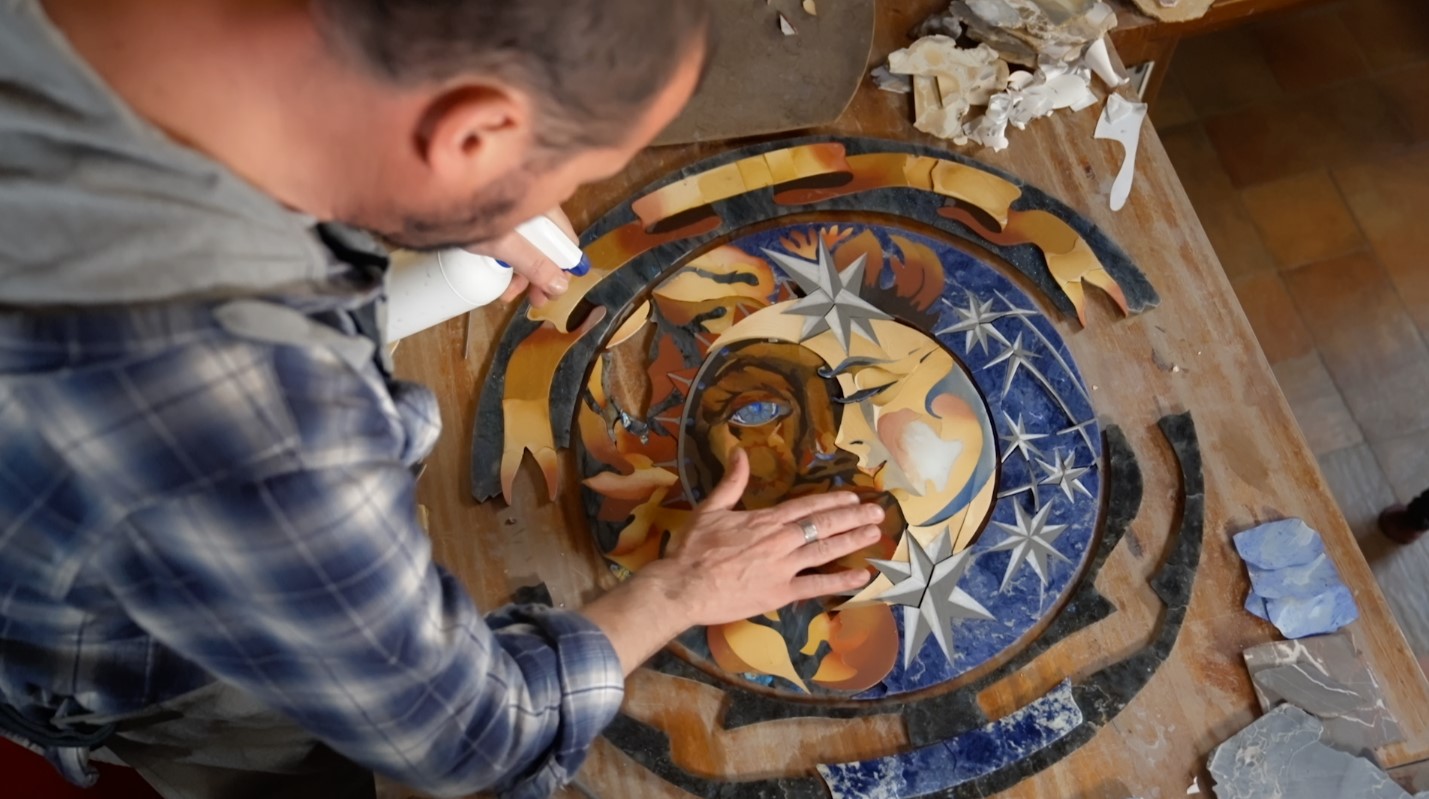
PG: It was actually a Covid project. I live in Washington D.C., we have two young girls, school shut down, we have no family here. My wife’s from Italy, I’m from Vancouver, Canada. So we were stuck without help. We were lucky enough to travel to Italy for Covid, because schools were still open and we had a lot of family support there. So we lived there for a year. I’m a producer/director for television and while I was there, I saw these artisans really suffering from their stores closing, lack of tourists, but was just enamored with their passion, and their love of their craft and also their lineage, like how far back some of these crafts go. I decided to pick up my camera, got a little bored, and I filmed them and had them tell their stories. Then, I put together a pitch package and then sent it to PBS, their headquarters are here, just outside of DC. And they liked it and that was the beginning. It started with Italy, then we’ve done Ireland, England, France, Portugal, Spain, Mexico, and the U.S. We’re doing America 250: Made with Love now, a one-hour special celebrating America’s 250th anniversary through the eyes of the artisans who helped found the country. We plan to expand to Japan and maybe some other countries in 2026. The gist of it is it’s a celebration of artisans, because I think without them, you really lose the cultures and traditions of those communities. That’s what, first and foremost, resonated with me the most; just their passion. They are just lovely people and that do amazing things. That was the genesis of it.
Italy has a lot artisans, as does England, which I love as an Anglophile. How did you find the featured artists in England?
PG: Whenever we go to a foreign country, we hire local producers and researchers, just to make sure we’re staying true to their cultures. So, we hire a local producer, they help us research and we work collaboratively for about three months and narrow them down. We try to find, for example in London, obviously hat culture in London, especially for events. So, we found a famous milliner.
In London, milliners are a big deal, people actually make good money making hats.
PG: Exactly, so we found one of the top milliners in the country. He used to make hats for the late queen, his name is Ian Bennett, he was just phenomenal, and he has a small workshop in London and makes maybe one hat every two or three days. Leading up to certain events, mostly horse races.
The suit maker on Saville Row, he’s famous, as is that shop.
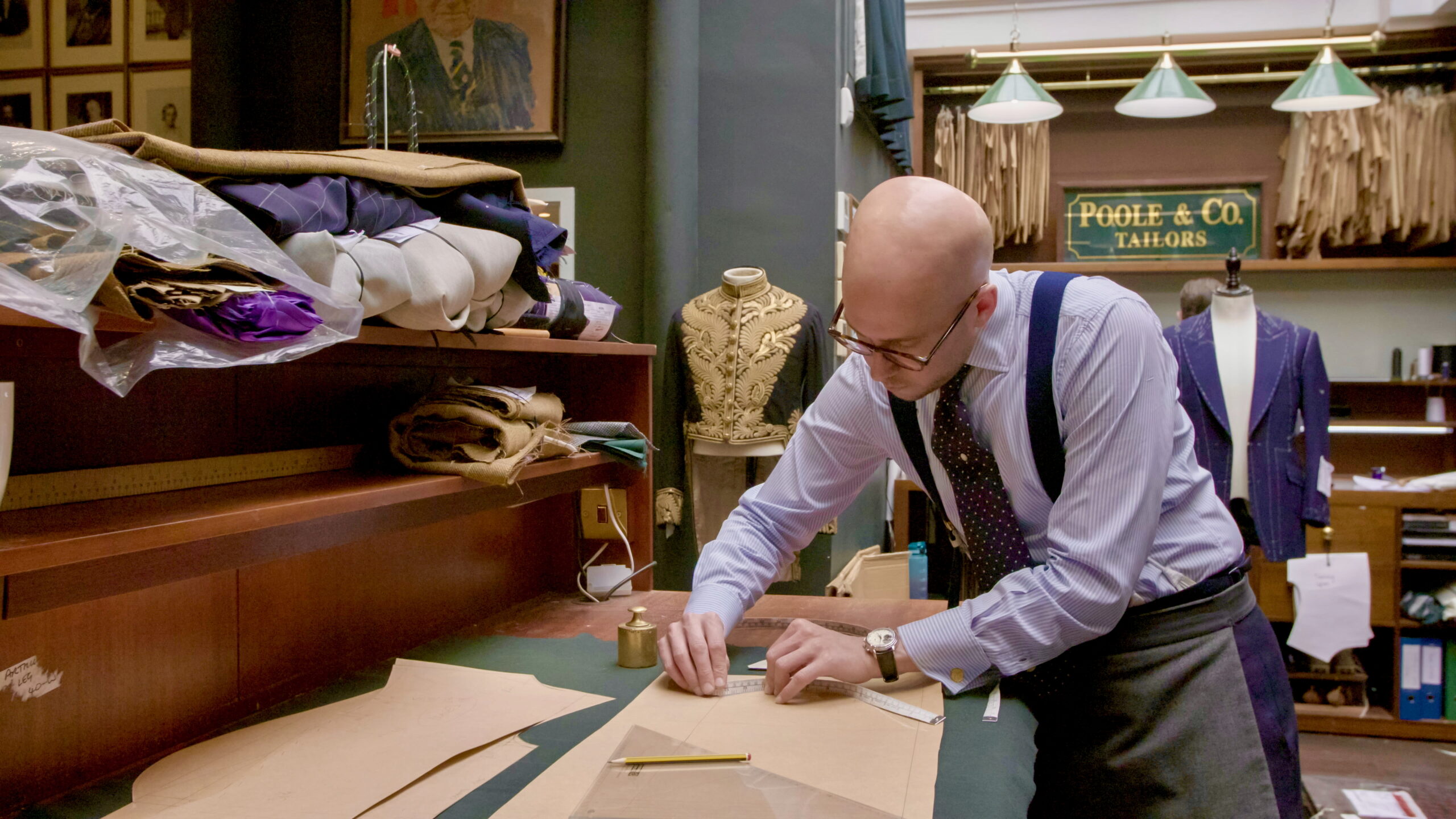
PG: Yeah, Henry Poole. Yeah, Simon Cundy. When we look for artists, we don’t go just for the fancy bold stuff, we go all the way down from a wood turner in Cornwall to the high-end suit-maker, tailor on Saville Row; it really doesn’t matter to us. Obviously London is famous for Saville Row and their tailors, and of course Henry Poole, the descendant Simon Cundy who’s the managing director there. They invented the tuxedo in that shop. That was really exciting to be able to work with them. Everything is made by hand. It’s unbelievable, and the care that they have!
What was your road to PBS? You said you live in proximity to their headquarters; you just sent the proposal to them? I’ve interviewed many people with shows on PBS – funding is always an issue. How was this process for you?
PG: I’ve been a producer in the D.C. area for 20-plus years, and PBS is here, National Geographic, and Discovery used to here. So it’s kind of a small community and I knew some folks who worked over at the network over at PBS. So I, thankfully, had an open door to go and pitch them, just through my connections. But in terms of funding, they license the content, a portion of it. And we had to fundraise, we have an international distributor who helps fund the rest of it.
What was your road to TV?
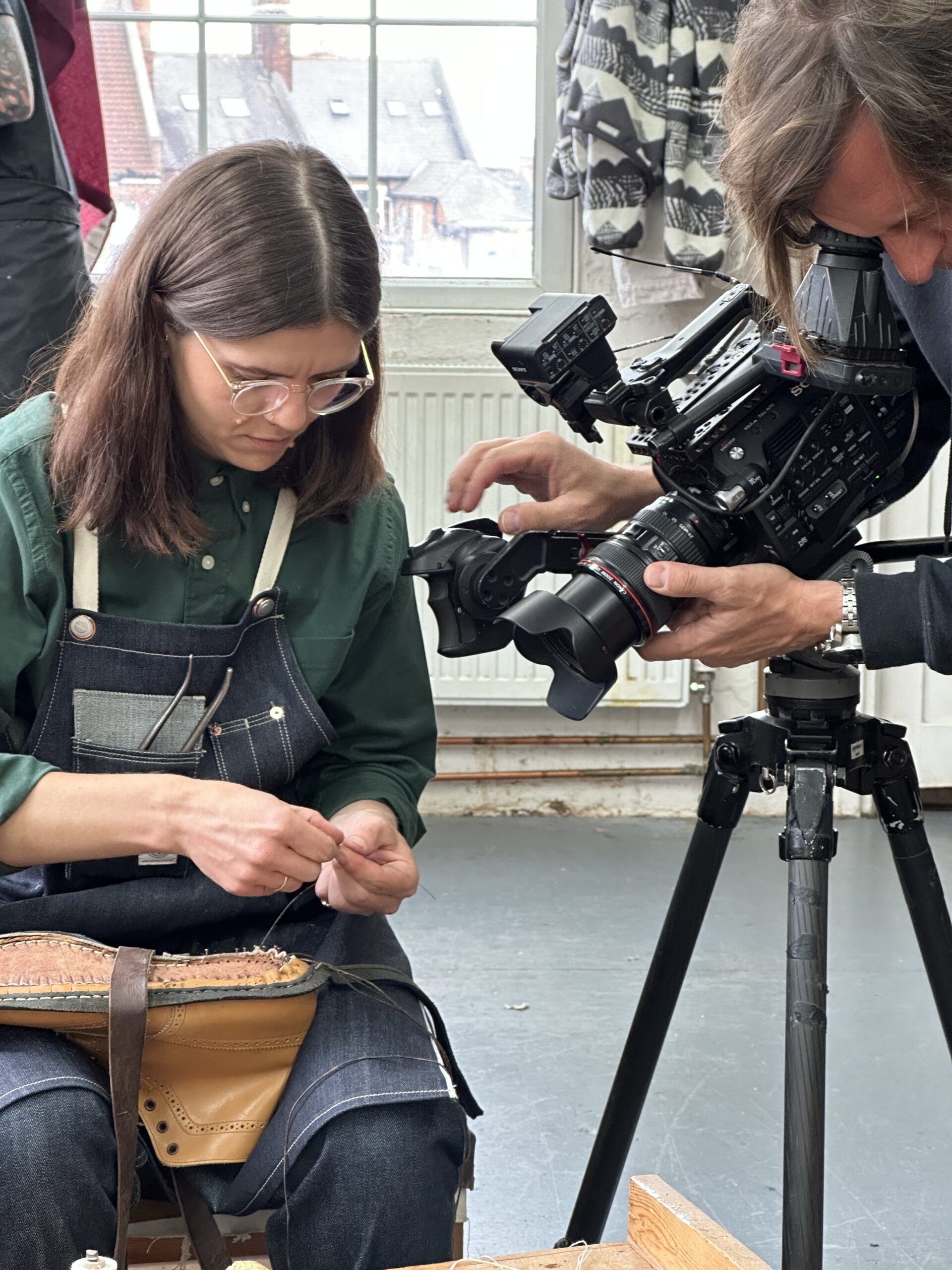
PG: I always loved biology and wildlife. I came in through that route; studied biology, had had a passion for film making since I was five. I just studied biology in school to get what I need to know to film the animals. But in hindsight, I should have taken a lot more script courses because it’s really all about storytelling. I bought a camera, practiced and went to some film festivals, Jackson Hole – the wildlife film festival there, met some producers and got my break in 2001. I got my first job at National Geographic.
England Made with Love could be its own series. Did you feel that?
PG: Obviously we’d love to go back. We could easily do five or six episodes, or even just a region or county in England. Yeah it’s always fun, but hopefully we’ll get some more money and be able to do more, because England was quite popular. It was good show for us, Ireland as well.
With England, you had an extra episode – was it hard to choose the artisans? What were your favorites
PG: There were a couple artisans that didn’t make the main show. My favorite one was, I think, Ian the milliner, probably just as a personality; he’s just a lovely guy and really fun to be around. The cheese makers in Cheddar, I didn’t even know Cheddar was actually a town in England, so that’s where Cheddar was invented, so that was kind of cool. The globe maker; one day I’d love to have one of those globes. It’s just a matter of – do I want to put my kids through college, or do I want to get a new globe? (laughs)
Globes are fascinating.
PG: Yeah, they really are.
I went to an antique map shop in Mayfair. They have old globes from the centuries.
PG: I’d love to have a look at those. Those are the standouts. The craftmanship sometimes stands out, sometimes it’s the characters. Or sometimes it’s whatever the product they’re making that’s bespoke and unique. And sometimes, I just resonate with those makers and the characters.
What has been your favorite country to feature, so far?
PG: I’d have to say Italy. I say that because my wife’s Italian, so I have to say that, right? They have centuries of creativity and knowledge that’s passed down, like England. They just have such charisma and it shows in what they make. And then a close second would be Spain, then France, and England, not in any particular order, but if you were to ask me one particular country, just because I’ve spent so much time there and know the culture probably the best.
What is a typical day now for you like?
PG: Finding stories, finding funding, that’s probably 80 percent of my time now. And then, 20 percent is hopefully doing some creative stuff. Managing teams, managing the edit. Funding new stories, like tomorrow we’re going to meet with the Australian embassy to see if there’s any way to produce something there. Yeah, really boring, actually; the days in the field are a lot more exciting.
Do you have any future projects you are working on, any for PBS?
PG: Right now, we’re working on celebration of America 250, it’s through the lens of artisans. That will air next year; we’re in post-production on that. We start with the 13 colonies when they converted to states – who are the artisans that helped found the country that are still working today, and in existence today, whether it’s a blacksmith, a flag maker, boat makers. That will air in June, 2026. And we’re just working with PBS on the next countries, that will be for 2027 – might be Germany, Japan, I think we might be going back to England and Ireland.
Is there anything you want to add for our readers?
PG: The show, it’s about preserving – I’m trying to do my small part in preserving their craft by telling their stories and getting it out to a broader audience. And really share how important these artisans are for our communities. After the show aired, a lot of our artisans were contacting me saying they were getting a lot of extra business from Americans, which is phenomenal and is exactly what I was hoping-for, for them. So, that was super exciting. In Italy and Ireland, artisans were contacting me and said people were changing their itineraries. They were overseas from the U.S. and they wanted to go visit them, and spend time with them. That gave me the idea of producing tours. So now, we’re doing bespoke artisan tours, where they get to meet the artisans that they’ve seen in the show. We’re working with individual stations on that right now; that’s been an exciting development. And the artisans love it because they get 20 people coming into their shop and seeing the work they do, and a lot of times, buy a lot of their stuff (laughs) so that’s great! A lot of their ceramics or hats. It’s going beyond the show.
KLCS Public Media members can watch the Emmy-award winning series Made with Love, on-demand via KLCS|Passport. Or visit the show’s PBS page.